

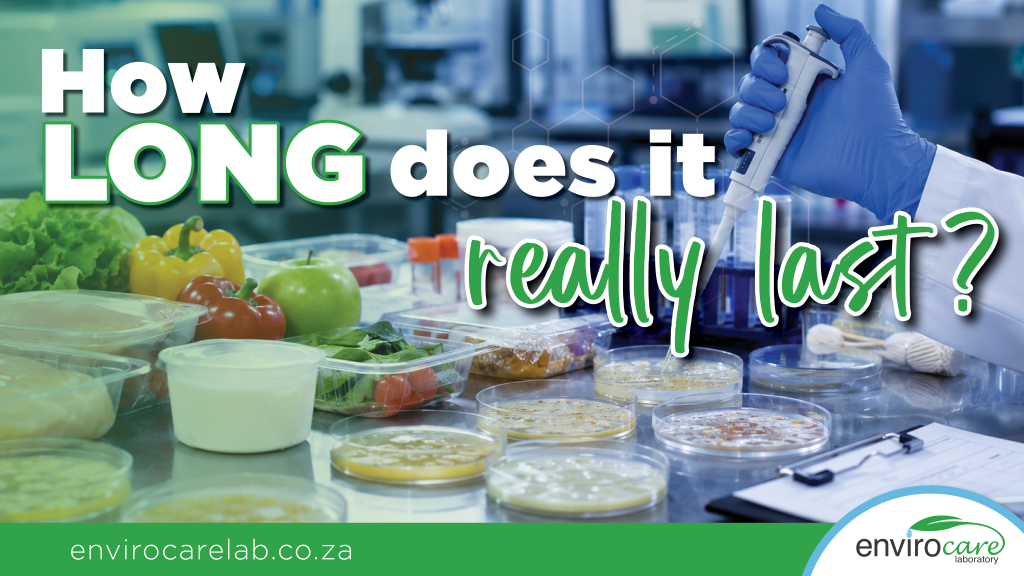
An expiry date is more than a regulatory requirement or a label on a package—it is a promise to consumers that a product will remain safe and of acceptable quality until that date when stored as directed. When that promise is not supported by scientific evidence, the consequences can extend far beyond a single product.
Incorrect shelf-life claims can expose food manufacturers to food safety incidents, product recalls, regulatory action, financial losses, and long-term damage to brand reputation. Whether an expiry date is too long or too short, inaccurate shelf-life determination creates unnecessary risks throughout the supply chain.
The Cost of Incorrect Expiry Dates
Establishing an expiry date without sufficient scientific validation is a significant business risk. If a product remains on the market beyond the point at which it is microbiologically safe or maintains acceptable quality, consumers may be exposed to unsafe food, increasing the likelihood of complaints, illness, recalls, and legal liability.
On the other hand, assigning an expiry date that is unnecessarily conservative can also have serious commercial consequences. Products may be discarded while still safe for consumption, increasing food waste, reducing profitability, limiting distribution opportunities, and placing additional pressure on production schedules.
Both scenarios can affect operational efficiency and customer confidence.
Operational Risks of Incorrect Shelf-Life Labelling
Incorrect shelf-life labelling impacts every stage of the food supply chain. Potential risks include:
- Product recalls due to incorrect expiry dates
- Consumer complaints and loss of trust
- Retailer stock rejections and supply disruptions
- Regulatory investigations and non-compliance
- Increased food waste and disposal costs
- Financial losses from returned or unsaleable products
- Damage to brand reputation and market confidence
- Potential legal liability where food safety is compromised
Many of these risks can be avoided by ensuring shelf-life claims are supported by scientific evidence rather than assumptions or historical estimates.
Why Unsupported Shelf-Life Claims Are Risky
Food products naturally change over time. Microorganisms may multiply, packaging performance can decline, ingredients may become unstable, and sensory qualities such as taste, texture, colour, and aroma can deteriorate.
These changes are influenced by numerous factors, including product formulation, manufacturing processes, storage conditions, packaging materials, and distribution environments. Because every product behaves differently, expiry dates should never be based solely on comparable products or previous experience.
Unsupported shelf-life claims increase the risk of products remaining on shelves after they no longer meet safety or quality expectations.
Shelf-Life Claims and Food Labelling Compliance
Food labelling regulations require manufacturers to provide accurate information that protects consumers and supports informed purchasing decisions. An expiry date that cannot be justified through appropriate validation may create regulatory concerns and make it difficult to demonstrate due diligence during audits, customer assessments, or investigations.
Scientific shelf-life validation provides documented evidence to support expiry date decisions, helping manufacturers meet customer specifications, retailer requirements, and food safety management system expectations.
Protecting Consumers and Your Brand
Consumers expect that food purchased before its expiry date will be safe, consistent, and of the quality they expect. A single incident involving an incorrect shelf-life claim can have lasting consequences, including negative publicity, lost customer confidence, and reputational damage that may take years to rebuild.
Investing in scientifically supported expiry date validation is not simply about meeting regulatory requirements—it is about protecting consumers, safeguarding your brand, and reducing unnecessary business risk.
How Envirocare Laboratory Can Help
Envirocare Laboratory provides science-based shelf-life validation services that help food manufacturers establish accurate, evidence-based expiry dates with confidence. Our laboratory supports businesses in validating shelf-life claims through microbiological testing and product assessment, helping reduce operational risk while supporting food safety and regulatory compliance.
Whether you are developing a new product, reviewing an existing expiry date, or investigating opportunities to optimise product shelf life, our experienced team can provide reliable scientific data to support informed decision-making.
Contact Envirocare Laboratory
Potchefstroom Laboratory
📍 6 Du Plooy Street, Potchefstroom, 2531
📞 +27 18 294 4283
📱 +27 71 353 5740
📧 info@envirocarelab.co.za
Western Cape Laboratory
📍 PTF 18, Three Fountains Estate, R304, Philadelphia, Western Cape, 7304
📞 +27 82 343 9579 | +27 81 834 7198
📧 info_westerncape@envirocarelab.co.za
🌐 https://envirocarelab.co.za/
References
- Food and Agriculture Organization (FAO), 2022. Food Safety and Quality: Shelf-Life Studies and Food Preservation. Rome: FAO.
- International Organization for Standardization (ISO), 2017. ISO/IEC 17025:2017 General Requirements for the Competence of Testing and Calibration Laboratories. Geneva: ISO.
- Labuza, T.P. and Szybist, L.M., 2001. Open Shelf-Life Dating of Foods. Minneapolis: Food & Nutrition Press.
- New Zealand Food Safety, 2021. Guidance on Shelf-Life Studies for Food Businesses. Wellington: Ministry for Primary Industries.
- World Health Organization (WHO), 2022. Food Safety.
- European Commission, 2020. Guidance Document on Date Marking and Food Information to Consumers.
